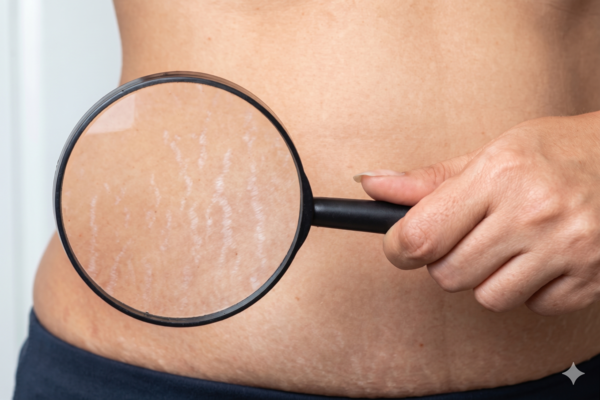
How to get rid of pigmentation on face is a question that resonates with many individuals dealing with dark spots, melasma, or uneven skin tone.

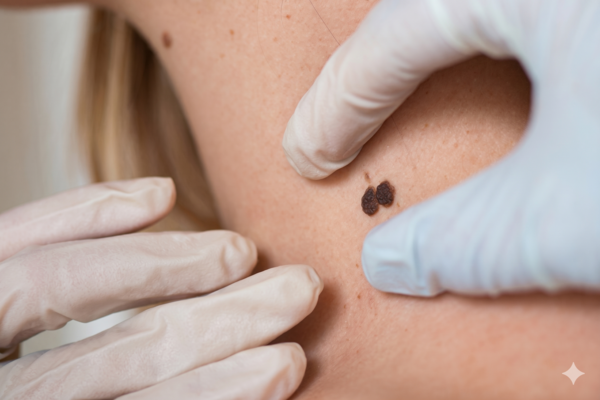
Advanced Mole Removal Treatment for Safe, Precise & Minimal-Scar Results
Moles are common skin growths that can appear anywhere on the body. While most are harmless, some people choose to have them removed because they are raised, uncomfortable, repeatedly irritated, or affect their confidence.
At Ethoski, we provide advanced mole removal treatment using laser technology and minor surgical procedures, depending on the type, size, and location of the mole. Every treatment is performed by trained dermatology professionals with a focus on safety, precision, and achieving the best possible cosmetic outcome.
What is Mole Removal?
Mole removal is a dermatological procedure performed to safely remove unwanted or suspicious moles from the skin. The treatment method depends on several factors, including whether the mole is raised or flat, its depth, location, and whether it appears benign or requires further evaluation.
Many patients seek skin mole removal for cosmetic reasons, while others may require removal if a mole changes in size, colour, shape, or becomes irritated.
A consultation with an experienced mole removal dermatologist helps determine the safest and most effective treatment option.
Why Might a Mole Need to Be Removed?
Most moles are harmless and do not require treatment. However, removal may be recommended if a mole:
- Changes in colour or shape
- Increases in size
- Bleeds or itches
- Gets caught while shaving or wearing clothing
- Causes discomfort
- Is cosmetically bothersome
If a mole shows unusual characteristics, your dermatologist may recommend evaluation before removal to rule out any underlying concerns.
Types of Mole Removal Treatment
Laser Mole Removal
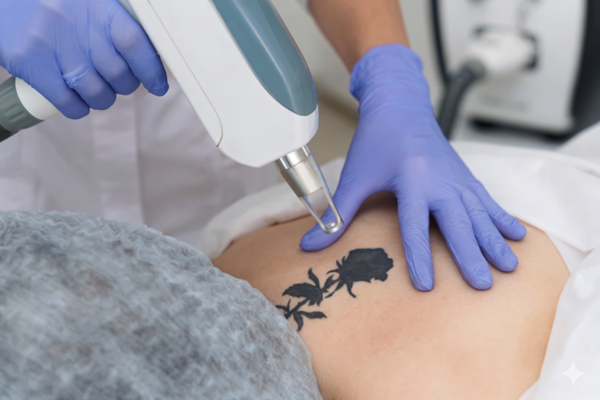
Laser mole removal is often recommended for selected superficial or flat benign moles.
The laser precisely targets pigmented tissue while minimising damage to surrounding skin.
It is commonly chosen for:
- Small facial moles
- Flat moles
- Cosmetic mole removal
- Minimal downtime
Patients often prefer this option because it is quick and generally associated with minimal discomfort.
Surgical Mole Removal
For larger, raised, or deeper moles, surgical mole removal may be the most appropriate treatment.
The mole is carefully removed under local anaesthesia, and the area may be closed with stitches if required.
Surgical removal is commonly recommended when:
- The mole is raised
- Complete removal is necessary
- The mole requires laboratory evaluation
- The mole extends deeper into the skin
Benefits of Mole Removal Treatment
Professional mole removal treatment offers several benefits:
Safe Removal
Treatment is performed under sterile medical conditions by trained professionals.
Improved Appearance
Removing prominent or unwanted moles can improve overall facial or body aesthetics.
Reduced Irritation
Eliminates moles that are repeatedly rubbed by clothing, jewellery, or shaving.
Accurate Diagnosis
If needed, removed tissue can be sent for further examination.
Permanent Removal
Depending on the treatment method and the type of mole, permanent mole removal may be achieved.
Who Is a Good Candidate?
You may be suitable for mole removal treatment if you have:
- Benign moles
- Raised moles
- Facial moles
- Irritating moles
- Cosmetic concerns
- Moles that have changed in appearance
A detailed consultation helps determine the most appropriate treatment.
Skin Concerns Treated with Mole Removal
Benign Mole Removal
Most cosmetic procedures involve benign mole removal, where non-cancerous moles are safely removed for aesthetic or practical reasons.
Facial Mole Removal
Facial mole removal requires precision to minimise scarring while preserving the skin’s natural appearance.
Treatment is customised according to the size, depth, and location of the mole.
Skin Mole Removal
Moles on the neck, arms, chest, back, legs, or other body areas can also be treated using appropriate techniques.
Mole Removal Procedure
Step 1: Consultation
Your dermatologist examines the mole and reviews your medical history.
Step 2: Skin Assessment
The mole is assessed for:
- Size
- Shape
- Colour
- Depth
- Location
This helps determine whether laser or surgical treatment is more appropriate.
Step 3: Local Anaesthesia (If Required)
The treatment area is numbed to maximise comfort.
Step 4: Mole Removal
Depending on the treatment plan, laser mole removal or surgical mole removal is performed.
Step 5: Aftercare
Detailed wound care instructions are provided to support healing and minimise scarring.
Is Mole Removal Painful?
Many patients ask about painless mole removal.
The procedure is generally well tolerated. Local anaesthesia is used whenever necessary, so most patients experience little to no pain during treatment. Mild soreness afterwards usually settles within a few days.
Recovery After Mole Removal
Recovery depends on:
- Treatment method
- Size of the mole
- Location on the body
Most patients can resume normal daily activities soon after treatment.
Complete healing may take several weeks, during which following the recommended aftercare is important for optimal cosmetic results.
Before & After Results
Patients commonly notice:
- Smooth, even-looking skin
- Improved cosmetic appearance
- Minimal visible scarring with appropriate aftercare
- Increased confidence
Results vary depending on the size, depth, and location of the mole.
Mole Removal Cost
The mole removal cost depends on several factors, including:
- Number of moles
- Size and depth
- Treatment method
- Location on the body
- Whether laboratory testing is required
| Treatment | Price (₹) |
|---|---|
| Laser Mole Removal | ₹X,XXX onwards |
| Surgical Mole Removal | ₹X,XXX onwards |
| Multiple Mole Removal | On Consultation |
The laser mole removal cost may differ from surgical removal depending on the complexity of the procedure.
Get Your Personalised Treatment Plan
Is Mole Removal Safe?
Yes. When performed by an experienced dermatologist for mole removal, the procedure is considered safe.
Temporary side effects may include:
- Mild redness
- Slight swelling
- Formation of a small scab
- Temporary tenderness
These usually resolve as the skin heals.
Aftercare Instructions
To support proper healing:
- Keep the treated area clean and dry.
- Avoid picking at the healing skin.
- Protect the area from direct sun exposure.
- Apply sunscreen once healing has progressed.
- Follow all wound care instructions provided by your dermatologist.
Frequently Asked Questions
Is laser mole removal permanent?
For suitable benign moles, laser mole removal can provide long-lasting or permanent results.
However, treatment suitability depends on the type of mole.
Will there be a scar?
Most procedures heal with minimal scarring, especially when performed using the appropriate technique and followed by proper aftercare.
Which is better—laser or surgical mole removal?
This depends on the mole’s size, depth, and characteristics. Your dermatologist will recommend the safest and most effective option.
How long does the procedure take?
Most mole removal procedures are completed within 20 to 45 minutes, depending on the number and size of the moles.
Can facial moles be removed safely?
Yes. Facial mole removal is commonly performed using techniques that prioritise both safety and cosmetic outcomes.
Why Choose Ethoski for Mole Removal?
Choosing the right clinic is essential for both your safety and cosmetic results.
At Ethoski, we provide:
- Experienced dermatology professionals
- Personalised treatment plans
- Advanced laser and minor surgical techniques
- Careful assessment of every mole before treatment
- High standards of safety and hygiene
- Transparent pricing and honest medical adviceWhether you’re looking for cosmetic mole removal or treatment for an irritating or changing mole,
our team focuses on delivering safe, effective, and personalised care.
Book Your Mole Removal Consultation
Take the first step towards clearer, healthier-looking skin with expert mole removal treatment.
Book an Appointment
It’s easy and free!
Tags:cosmetologyface