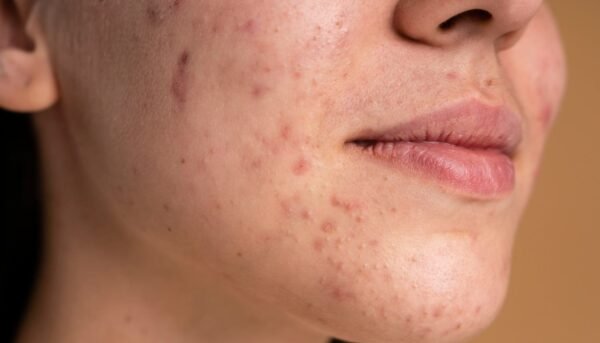
How to get rid of pigmentation on face is a question that resonates with many individuals dealing with dark spots, melasma, or uneven skin tone.


Fading the Shadows: Effective Solutions to Address Pigmentation Concerns
Dark spots, sun spots, post-acne marks, or the patchy darkening known as melasma—pigmentation concerns, or hyperpigmentation, are among the most common reasons people seek skincare advice. While harmless, these darker patches can make the skin look uneven and dull.
The good news is that hyperpigmentation is highly treatable. The key is understanding its cause and arming yourself with the right ingredients and habits.
What is Hyperpigmentation and What Causes It?
Hyperpigmentation is caused by an overproduction of melanin, the pigment that gives our skin its color. This excess melanin clumps together, forming a dark spot or patch. The three most common types are:
Sun Spots (Solar Lentigines/Age Spots): Caused by prolonged, unprotected UV exposure. The sun stimulates melanocytes to produce melanin as a defense mechanism.
Post-Inflammatory Hyperpigmentation (PIH): Dark marks left behind after an injury or inflammation, like an acne breakout, scratch, burn, or aggressive treatment.
Melasma: Characterized by symmetrical, patchy darkening, often on the cheeks, forehead, and upper lip. It is primarily triggered by hormonal changes (pregnancy, birth control) combined with sun exposure.

The Golden Rule: Prevention is Non-Negotiable
No active ingredient can work effectively if you are not committed to prevention. UV exposure will re-stimulate melanin production, essentially canceling out all your hard work.
Sunscreen: Your #1 Pigmentation Fighter
- Broad-Spectrum Protection: Use an SPF 30 or higher that protects against both UVA (aging) and UVB (burning) rays.
- The Iron Oxide Advantage: For deeper, more stubborn pigmentation like melasma, choose a tinted mineral sunscreen containing Iron Oxides. Iron oxide offers protection against visible light (like blue light from devices and even daylight indoors), which is known to trigger pigmentation.
- Reapply: Reapply every two hours when exposed to direct sunlight.
A Note on Consistency
Pigmentation is slow to fade. A dark spot that took months to form will take months to fade. 6 to 12 months of consistent treatment and sun protection is common before you see the best results. Be patient, be gentle, and never pick at your skin
At Ethoski, we identify the root cause of your problems and design a customised treatment plan for guaranteed results.
On your first visit to the clinic, you will receive a consultation with a specialist.
Book an Appointment
It’s easy and free!
Tags:cosmetologyface