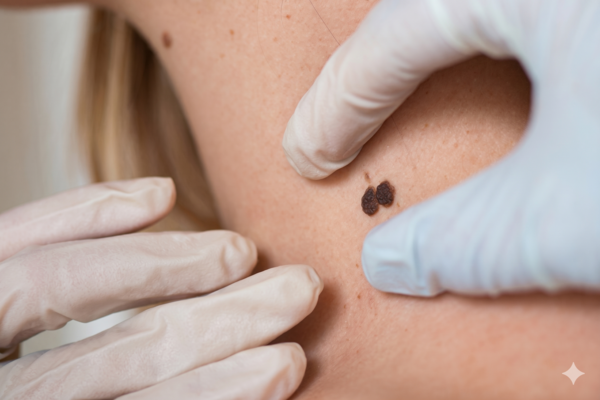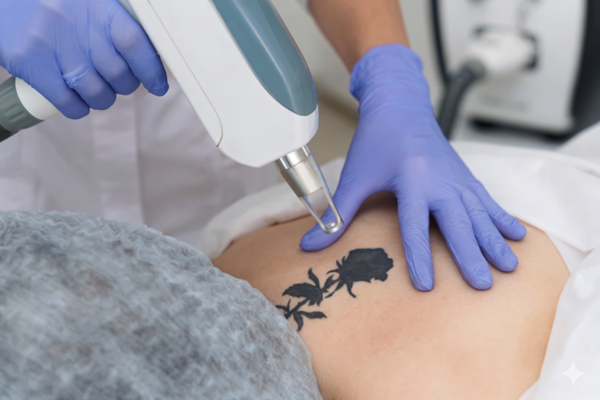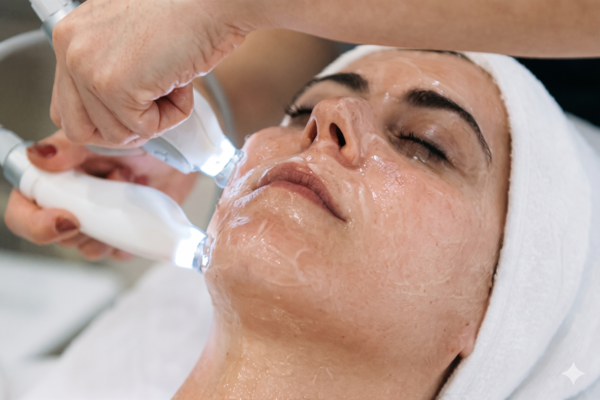
How to get rid of pigmentation on face is a question that resonates with many individuals dealing with dark spots, melasma, or uneven skin tone.

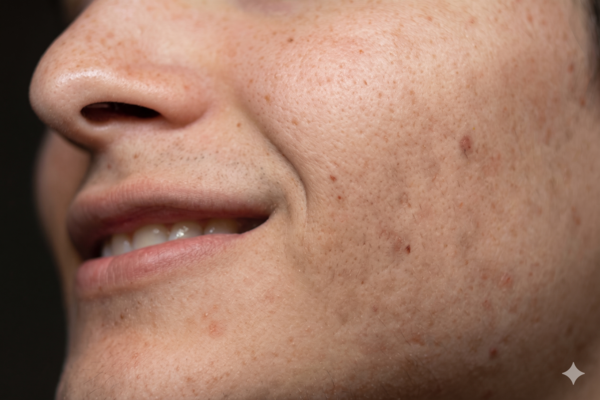
Fading the Shadows: Effective Solutions to Address Pigmentation Concerns
Advanced Hyperpigmentation Treatment for Clearer, Brighter & Even-Toned Skin
Uneven skin tone, dark patches, and stubborn pigmentation can affect your confidence and make your skin appear dull or aged. These concerns may develop due to sun exposure, hormonal changes, acne, ageing, or skin inflammation. While over-the-counter creams may offer temporary improvement, deeper pigmentation often requires professional treatment.
At Ethoski, we provide personalised hyperpigmentation treatment using advanced laser
technologies, medical-grade skincare, chemical peels, and collagen-stimulating procedures to target excess pigment and restore a clearer, more even complexion.
What is Hyperpigmentation?
Hyperpigmentation is a common skin condition in which certain areas of the skin become darker
than the surrounding skin due to excess melanin production.
Melanin is the pigment responsible for your skin colour. When the skin produces too much melanin, dark spots or patches can appear on the face or body.
Professional skin pigmentation treatment focuses on reducing excess pigmentation while improving overall skin health and preventing recurrence.
What Causes Hyperpigmentation?
Several factors can contribute to pigmentation, including:
Sun Exposure
Ultraviolet (UV) rays stimulate melanin production, leading to sunspots and uneven pigmentation.
Hormonal Changes
Hormonal fluctuations during pregnancy or while taking hormonal medications can cause melasma.
Post-Inflammatory Hyperpigmentation
Pigmentation often develops after acne, skin injuries, burns, or inflammation.
Ageing
As skin ages, dark spots may become more noticeable due to cumulative sun exposure.
Genetics
Some individuals are naturally more prone to pigmentation disorders.
Types of Pigmentation
Melasma
Melasma appears as brown or grey-brown patches, commonly affecting the cheeks, forehead, nose,and upper lip.
Melasma treatment often requires a combination of laser procedures, topical medication, and strict sun protection.
Sunspots
Also known as age spots, these develop due to prolonged exposure to ultraviolet rays.
Post-Acne Pigmentation
After acne heals, it may leave behind dark marks that persist for weeks or months.
Freckles and Uneven Pigmentation
Some forms of pigmentation become more visible after repeated sun exposure and may benefit from professional treatment.
How Does Pigmentation Treatment Work?
Professional pigmentation treatment targets excess melanin while promoting healthy skin renewal.
Depending on your skin condition, treatment may include:
- Laser pigmentation treatment
- Chemical peels
- Medical-grade topical therapies
- Skin rejuvenation procedures
- Combination treatments
The goal is to gradually reduce excess pigment while maintaining healthy surrounding skin.
Types of Pigmentation Treatments
Laser Pigmentation Treatment
Laser pigmentation treatment uses focused light energy to break down excess pigment within the skin.
Over time, the body naturally removes the fragmented pigment, leading to a more even complexion.
Laser treatment is commonly recommended for:
- Sunspots
- Age spots
- Post-inflammatory pigmentation
- Selected cases of melasma
Chemical Peels
Medical-grade chemical peels gently exfoliate the skin while encouraging healthy cell turnover.
They help improve:
- Mild pigmentation
- Dull skin
- Uneven skin tone
- Fine superficial pigmentation
Medical Skincare
Prescription creams containing ingredients such as hydroquinone, retinoids, azelaic acid, kojic acid, or tranexamic acid may be recommended depending on the cause of pigmentation.
Combination Therapy
Many patients achieve the best results by combining laser treatment, topical medication, and chemical peels under dermatological supervision.
How Does Pigmentation Treatment Work?
Professional pigmentation treatment targets excess melanin while promoting healthy skin renewal.
Depending on your skin condition, treatment may include:
- Laser pigmentation treatment
- Chemical peels
- Medical-grade topical therapies
- Skin rejuvenation procedures
- Combination treatments
The goal is to gradually reduce excess pigment while maintaining healthy surrounding skin.
Types of Pigmentation Treatments
Laser Pigmentation Treatment
Laser pigmentation treatment uses focused light energy to break down excess pigment within the skin.
Over time, the body naturally removes the fragmented pigment, leading to a more even complexion.
Laser treatment is commonly recommended for:
- Sunspots
- Age spots
- Post-inflammatory pigmentation
- Selected cases of melasma
Chemical Peels
Medical-grade chemical peels gently exfoliate the skin while encouraging healthy cell turnover.
They help improve:
- Mild pigmentation
- Dull skin
- Uneven skin tone
- Fine superficial pigmentation
Medical Skincare
Prescription creams containing ingredients such as hydroquinone, retinoids, azelaic acid, kojic acid,
or tranexamic acid may be recommended depending on the cause of pigmentation.
Combination Therapy
Many patients achieve the best results by combining laser treatment, topical medication, and chemical peels under dermatological supervision.
Benefits of Hyperpigmentation Treatment
Professional pigmentation treatment offers several benefits.
Reduces Dark Spots
Treatment gradually fades unwanted pigmentation while promoting a more even complexion.
Improves Overall Skin Tone
Patients often notice brighter, healthier-looking skin after completing treatment.
Treats Different Types of Pigmentation
Treatment can be customised for melasma, post-acne pigmentation, sunspots, and other pigmentation concerns.
Improves Skin Clarity
Reducing excess pigmentation creates a clearer and more uniform appearance.
Personalised Treatment Plans
Every pigmentation concern is different, making individualised treatment essential for optimal results.
Skin Concerns Treated
Melasma
Melasma treatment focuses on reducing stubborn hormonal pigmentation while minimising recurrence.
Dark Spots
Dark spots treatment targets pigmentation caused by acne, ageing, and sun exposure.
Facial Pigmentation
Facial pigmentation treatment helps restore an even skin tone while improving overall complexion.
Uneven Skin Tone
Pigmentation on face treatment improves patchy or irregular pigmentation through customised treatment plans.
Skin Brightening
Skin brightening treatment enhances overall skin radiance while reducing dullness and uneven pigmentation.
Who is an Ideal Candidate?
Pigmentation treatment may be suitable if you have:
- Melasma
- Dark spots
- Uneven skin tone
- Post-acne pigmentation
- Sunspots
- Facial pigmentation
- Age spots
A consultation helps determine the cause of your pigmentation and the most appropriate treatment plan.
Hyperpigmentation Treatment Procedure
Step 1: Consultation
Your pigmentation dermatologist evaluates:
- Skin type
- Pigmentation pattern
- Medical history
- Previous treatments
- Lifestyle factors
Step 2: Skin Assessment
The cause and depth of pigmentation are carefully assessed before treatment begins.
Step 3: Personalised Treatment Plan
A customised treatment plan may include laser therapy, medical skincare, chemical peels, or combination treatments.
Step 4: Treatment
Depending on your condition, your dermatologist performs the selected treatment using medical-grade technology.
Step 5: Aftercare
Detailed aftercare instructions help protect your skin and maintain results.
How Many Sessions Are Required?
The number of sessions depends on:
- Type of pigmentation
- Depth of pigment
- Skin type
- Treatment method
- Individual response
Most patients require 4 to 8 sessions, although melasma may require ongoing maintenance and skincare.
Results develop gradually as excess pigment is reduced over time.
Before & After Results
Patients commonly notice:
- Reduced pigmentation
- Brighter complexion
- More even skin tone
- Improved skin clarity
- Healthier-looking skin
Individual results vary depending on the cause and severity of pigmentation.
Pigmentation Treatment Cost
Pigmentation treatment cost depends on several factors, including:
Get Your Personalised Treatment Plan
- Area being treated
- Type of pigmentation
- Laser technology used
- Number of sessions
- Combination treatments
| Treatment | Price (₹ per session) |
|---|---|
| Laser Pigmentation Treatment | ₹X,XXX – ₹X,XXX |
| Chemical Peel | ₹X,XXX – ₹X,XXX |
| Combination Treatment | ₹X,XXX – ₹X,XXX |
Is Hyperpigmentation Treatment Safe?
Yes. When performed by an experienced pigmentation specialist using appropriate technology, pigmentation treatments are generally safe for suitable candidates.
Temporary side effects may include:
- Mild redness
- Temporary darkening of pigment before fading
- Slight swelling
- Skin sensitivity
These effects usually settle within a few days.
Aftercare Instructions
For the best results:
- Apply broad-spectrum sunscreen every day.
- Avoid prolonged sun exposure.
- Use gentle skincare products.
- Avoid picking or scratching treated skin.
- Follow your prescribed skincare routine.
- Attend scheduled follow-up appointments.
Consistent sun protection is essential to minimise the recurrence of pigmentation.
Frequently Asked Questions
Can hyperpigmentation be permanently removed?
Many forms of pigmentation can be significantly reduced, but some conditions, such as melasma, may recur if triggered by sun exposure or hormonal changes. Maintenance treatment and sun protection are often recommended.
Which is the best pigmentation treatment?
The best pigmentation treatment depends on the underlying cause. Your dermatologist may recommend laser treatment, chemical peels, medical skincare, or a combination approach.
Is laser pigmentation treatment safe?
Yes. When performed by trained dermatology professionals using appropriate laser technology, it is considered safe for suitable skin types.
How many sessions will I need?Most patients require between four and eight sessions, although deeper pigmentation may require additional treatments.
Can laser remove dark spots?
Yes. Laser treatment for pigmentation can effectively reduce many types of dark spots caused by sun damage, acne, and ageing.
How long does it take to see results?
Most patients notice gradual improvement over several weeks, with continued enhancement after each treatment session.
Why Choose Ethoski for Hyperpigmentation Treatment?
At Ethoski, every pigmentation concern is carefully evaluated before treatment begins. Rather than using a one-size-fits-all approach, we identify the underlying cause of pigmentation and create a personalised treatment plan.
Our clinic offers:
- Experienced dermatology professionals
- Advanced laser technologies
- Personalised treatment plans
- Medical-grade skincare solutions
- Evidence-based treatment protocols
- Transparent pricing and honest consultations
Whether you’re dealing with melasma, post-acne pigmentation, dark spots, or uneven skin tone, our team is committed to helping you achieve clearer, healthier-looking skin through safe and customised care.
Book Your Hyperpigmentation Consultation
Restore a brighter, more even complexion with a personalised pigmentation treatment plan designed for your skin.
At Ethoski, we identify the root cause of your problems and design a customised treatment plan for guaranteed results.
On your first visit to the clinic, you will receive a consultation with a specialist.
Book an Appointment
It’s easy and free!
Tags:cosmetologyface